Buying industrial chemicals in Saudi Arabia: grades, documents and permits
What to check before you order: the right grade, the SDS and certificate of analysis, packaging, storage, and the import and release permits that apply to chemicals in the Kingdom.
Short answer: order by specification, not by name. Fix the grade and purity you need, insist on a safety data sheet (SDS) and a certificate of analysis (CoA) for every batch, agree the packaging and delivery, and make sure your supplier handles the import and release permits that apply to chemicals in the Kingdom.
1. Name the grade, not just the chemical
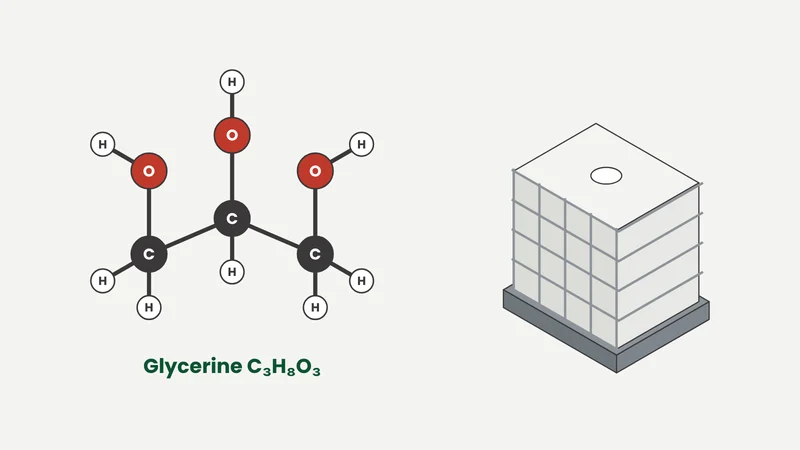
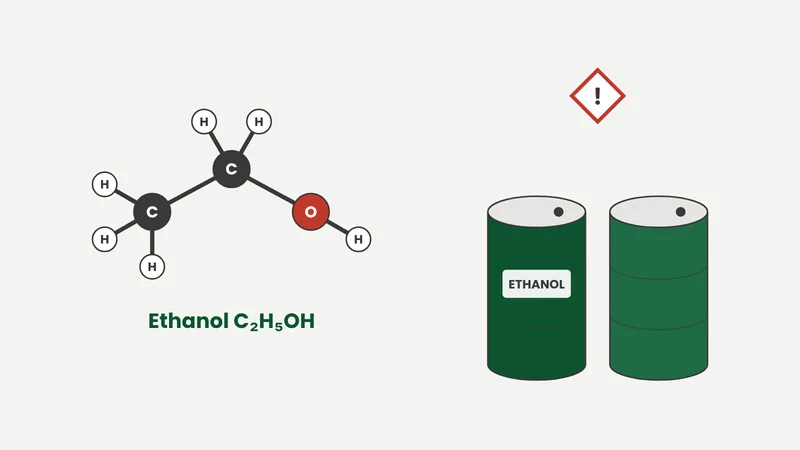
"Glycerine" can mean crude glycerine from biodiesel at around 80% or refined pharmaceutical glycerine above 99.5%. "Ethanol" can be 95% rectified, 99.9% anhydrous, or denatured. The same name covers very different products and prices. Specify:
- Grade: technical, industrial, food (FCC), pharmaceutical (USP/BP/EP), laboratory or electronic.
- Assay (purity) and the method used to measure it.
- Limits on impurities that matter to your process: water, heavy metals, chlorides, colour.
2. Ask for the documents every time
- SDS (safety data sheet): the 16-section GHS document covering hazards, handling, storage, PPE, first aid, firefighting and spill response. It should be current and match the exact product.
- TDS (technical data sheet): typical properties and uses.
- CoA (certificate of analysis): the actual test results for your batch. Check them against your specification before you use the product.
- For food, pharma and cosmetics, the certificates your regulator or customer requires.
3. Agree packaging and logistics
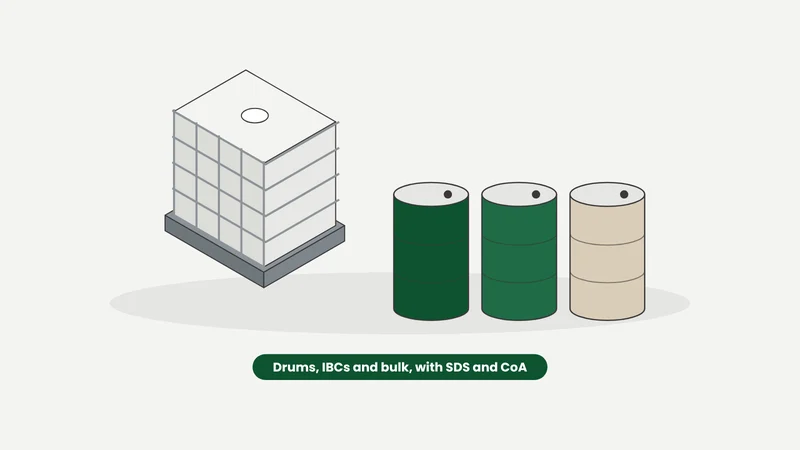
Drums (around 200 litres), IBCs (around 1,000 litres) and bulk tankers each suit different volumes and sites. Confirm the container material is compatible with the chemical, the UN number and hazard labels for transport, and who unloads at your site.
4. Store it properly
Follow section 7 of the SDS. Keep incompatible chemicals apart (acids from bases, oxidisers from flammables), use bunded storage for liquids, ventilate solvent stores, and keep spill kits and the right PPE at hand.
5. Know the permits
Saudi Arabia controls the import of chemicals. For an industrial facility, the Ministry of Industry and Mineral Resources issues import and release permits for chemicals used in production, and some substances need additional security approvals. The list of controlled substances also changes: in August 2025 an import and export licensing requirement was added for a further 32 chemical substances. Work with a supplier who manages this paperwork and supplies from local stock where possible.
6. Choose a supplier you can audit
Look for registered trading and manufacturing licences, local warehousing, consistent quality across batches, technical support for your application, and the ability to blend to your formula if you need it.
Buying in Saudi Arabia
Nord Chemicals, part of Nordinfini, is a registered chemical trading, manufacturing and blending company headquartered in Dammam, serving nine industries across the Kingdom. For grades, pack sizes, documents and prices, see the catalogue at nordchemicals.com or email info@nordinfini.com.
Sources
- Ministry of Industry and Mineral Resources, Chemical release request service (import and release permits).
- Global Trade Alert, Saudi Arabia: import and export licensing requirement for 32 chemical substances (August 2025).
- UN Globally Harmonized System of Classification and Labelling of Chemicals (GHS), SDS format.
Need this chemical in Saudi Arabia or the GCC?
Nord Chemicals supplies, manufactures and blends industrial chemicals from Dammam, for nine industries across Saudi Arabia and the GCC.
See Nord ChemicalsRelated articles
Glycerine grades explained: crude, technical and USP, and where each is used
Glycerine is in medicines, cosmetics, food, resins and drilling fluids, but not the same glycerine. A guide to grades, purity and choosing the right one.
Industrial ethanol: grades, uses and handling
Rectified, anhydrous or denatured? A clear guide to industrial ethanol grades, where each is used in manufacturing, cleaning and labs, and how to store it safely.
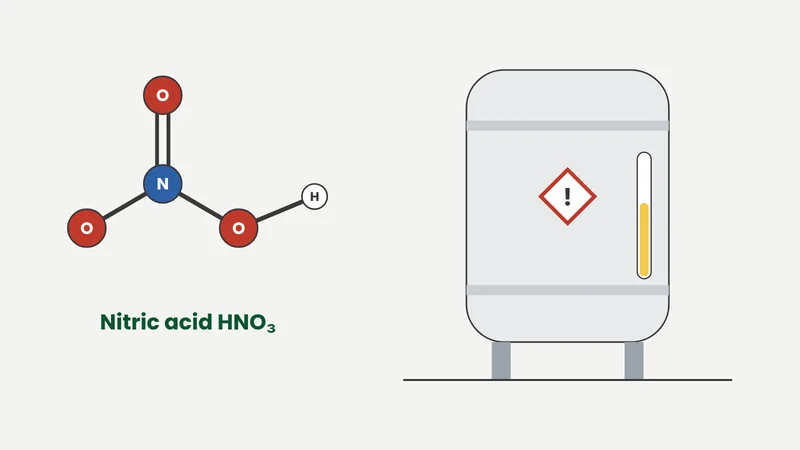
Nitric acid: concentrations, industrial uses and safe storage
From fertilisers to stainless steel passivation: what nitric acid is used for, the common commercial concentrations, and how to store and handle a strong oxidising acid.