
Glycerine grades explained: crude, technical and USP, and where each is used
Glycerine is in medicines, cosmetics, food, resins and drilling fluids, but not the same glycerine. A guide to grades, purity and choosing the right one.
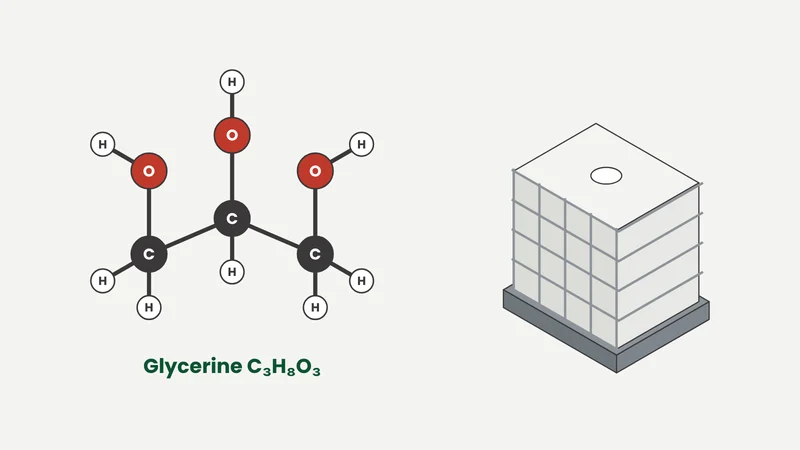
Short answer: crude glycerine (about 80%) is a by-product of biodiesel and soap making and is used as a feedstock; technical glycerine is refined enough for industrial uses; refined USP/EP glycerine (typically 99.5% or more) is for pharmaceuticals, personal care and food. Buy the grade your process needs, not the cheapest or the purest by default.
What glycerine is
Glycerine (also glycerol or glycerin, CAS 56-81-5, C₃H₈O₃) is a clear, odourless, sweet-tasting and very viscous liquid that mixes with water and absorbs moisture from the air (it is hygroscopic). It boils at about 290 °C and is generally not classified as hazardous under GHS, though it should still be handled with normal industrial hygiene.
The grades
Crude glycerine. Comes straight from biodiesel production or soap making. Typically around 80% glycerol, with water, salts, methanol and fatty matter. Used as a feedstock for refining, in some animal feeds where permitted, and in biogas.
Technical (industrial) grade. Refined to remove most impurities, but not certified to a pharmacopoeia. Used in alkyd resins, antifreeze and de-icing blends, plasticisers, textiles and drilling fluids.
Refined USP / EP / BP grade. Meets a pharmacopoeia monograph for purity and impurities (for example limits on diethylene glycol, a dangerous contaminant). Typically 99.5% or more. Kosher, halal or vegetable-origin certificates are available for many supplies.
Food grade. Meets food additive specifications (glycerol is food additive E422) and is used as a humectant, sweetener and solvent for flavours.
Where glycerine is used
- Pharmaceuticals: syrups, cough mixtures, suppositories, and as a solvent and humectant.
- Personal care: moisturisers, soaps, toothpaste, hair products.
- Food and beverages: humectant and sweetener in baked goods, confectionery and drinks.
- Resins and coatings: a building block for alkyd resins and polyols.
- Oil and gas: in drilling fluids and as a hydrate inhibitor in some formulations.
- Industrial: antifreeze blends, lubricants, tobacco humectant, cellophane and paper softening.
Buying tips
- Name the grade and the pharmacopoeia (USP, EP or BP) if it is for pharma or cosmetics.
- Ask for the CoA for each batch, and check the diethylene glycol and ethylene glycol limits for regulated uses.
- Ask about origin (vegetable or other) if your customers need halal or vegetable certification.
- Store in closed containers, because glycerine absorbs water from the air, which changes its concentration.
Buying in Saudi Arabia
Nord Chemicals, part of Nordinfini, is a registered chemical trading, manufacturing and blending company headquartered in Dammam, serving nine industries across the Kingdom. For grades, pack sizes, documents and prices, see the catalogue at nordchemicals.com or email info@nordinfini.com.
Sources
- PubChem, Glycerol (CID 753), physical properties.
- United States Pharmacopeia, Glycerin monograph (general reference for pharmacopoeial grade).
Need this chemical in Saudi Arabia or the GCC?
Nord Chemicals supplies, manufactures and blends industrial chemicals from Dammam, for nine industries across Saudi Arabia and the GCC.
See Nord ChemicalsRelated articles
Buying industrial chemicals in Saudi Arabia: grades, documents and permits
What to check before you order: the right grade, the SDS and certificate of analysis, packaging, storage, and the import and release permits that apply to chemicals in the Kingdom.
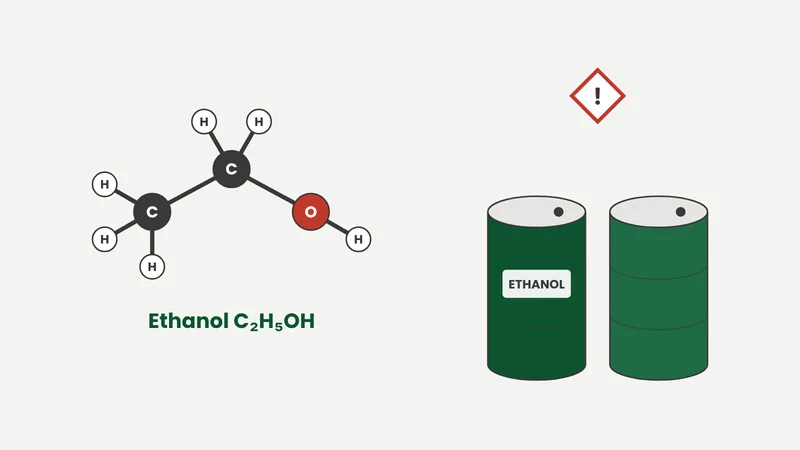
Industrial ethanol: grades, uses and handling
Rectified, anhydrous or denatured? A clear guide to industrial ethanol grades, where each is used in manufacturing, cleaning and labs, and how to store it safely.
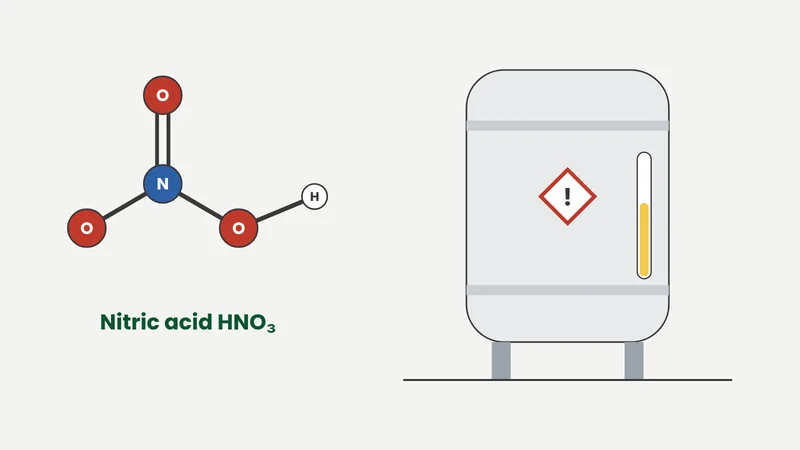
Nitric acid: concentrations, industrial uses and safe storage
From fertilisers to stainless steel passivation: what nitric acid is used for, the common commercial concentrations, and how to store and handle a strong oxidising acid.