
Water treatment chemicals: coagulants, flocculants, antiscalants and biocides explained
Which chemical does which job in a water or wastewater plant: clarification, RO membrane protection, disinfection, boilers and cooling towers, with what to check before you buy.

Short answer: most water treatment chemistry does one of five jobs: clarify (coagulants and flocculants), protect membranes (antiscalants, dechlorination, cleaners), disinfect (chlorine and other biocides), protect boilers (oxygen scavengers and inhibitors) and protect cooling circuits (scale and corrosion inhibitors, biocides). Pick by the job, then by the water you actually have.
1. Clarification: coagulants and flocculants
Fine suspended particles carry a negative charge, so they repel each other and stay in suspension. A coagulant neutralises that charge so particles start to clump; a flocculant then bridges the small clumps into large flocs that settle or float.
- Inorganic coagulants: aluminium sulfate (alum), ferric chloride and polyaluminium chloride (PAC). PAC is pre-neutralised, so it usually consumes less alkalinity and works over a wider pH range than alum. Ferric chloride is strong on colour and phosphate removal but is acidic and corrosive, so the dosing system has to suit it.
- Flocculants are polyacrylamide polymers: anionic grades for most clarification of mineral solids, cationic grades for organic solids and sludge dewatering.
The right product and dose come from a jar test on your own water, not from a data sheet. Ask your supplier to run one, or to send samples so your lab can.
2. Reverse osmosis
RO is central to water supply in the Gulf, and membranes are the expensive part.
- An RO antiscalant keeps calcium carbonate, calcium sulfate, barium sulfate and silica in solution as the water concentrates across the membranes. The product and dose depend on the feedwater analysis and the recovery rate.
- Free chlorine damages polyamide membranes, so chlorinated feed is dechlorinated first, typically with sodium bisulfite or sodium metabisulfite.
- Membranes are cleaned when normalised flow drops or pressure differential rises: an alkaline cleaner for organic and biological fouling, an acid cleaner for mineral scale. Always follow the membrane maker's limits on pH and temperature.
3. Disinfection
Sodium hypochlorite is the workhorse for chlorination of potable and process water. It loses strength in storage, faster when warm, so in Saudi summers buy what you will use, keep it shaded and check the available chlorine on delivery. Hydrogen peroxide is used where chlorine by-products are a concern.
4. Boilers
Dissolved oxygen pits boiler tubes. Feedwater is deaerated mechanically, and the remaining oxygen is removed with an oxygen scavenger such as sodium sulfite-based products, alongside a boiler corrosion inhibitor programme matched to the boiler pressure.
5. Cooling towers
Evaporation concentrates the minerals in cooling water, and warm, aerated water grows bacteria and algae. A typical programme combines a scale inhibitor, a corrosion inhibitor and a biocide, dosed against the cycles of concentration you run.
What to check before you buy
- Water analysis first: the programme follows the water, not the other way round.
- SDS and TDS for every product, and the active content or concentration on the certificate of analysis.
- Approvals for potable water use where they apply.
- Dosing equipment that suits the chemical: wetted materials, pump type and capacity. Nord Chemicals supplies dosing pumps and dosing skids with the chemicals.
Buying in Saudi Arabia
Nord Chemicals, part of Nordinfini, supplies, blends and repacks commodity and specialty chemicals from Dammam for 14 industries across Saudi Arabia and the GCC, with a safety data sheet for every product. See everything we supply for water treatment, build a list in the chemical finder, or request a quote.
Need this chemical in Saudi Arabia or the GCC?
Nord Chemicals supplies, manufactures and blends industrial chemicals from Dammam, for nine industries across Saudi Arabia and the GCC.
See Nord ChemicalsRelated articles
Flotation reagents for gold and copper: xanthates, frothers, depressants and activators
How a flotation circuit uses collectors such as PAX and SIBX, frothers such as MIBC, depressants, activators and pH modifiers, and how to choose between them.
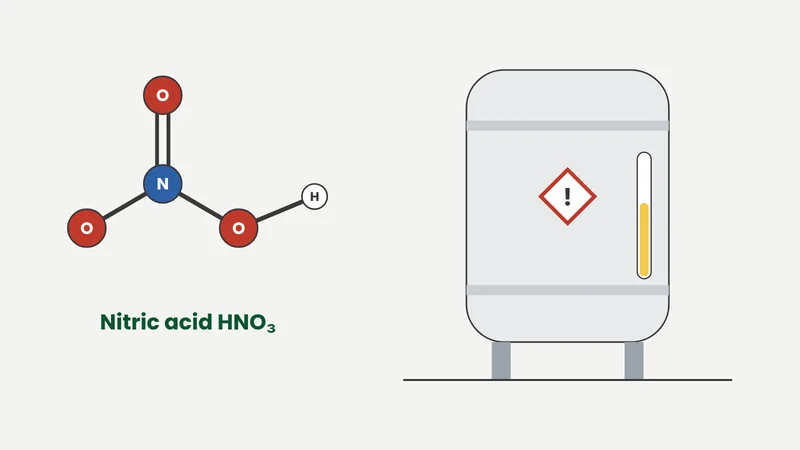
Nitric acid: concentrations, industrial uses and safe storage
From fertilisers to stainless steel passivation: what nitric acid is used for, the common commercial concentrations, and how to store and handle a strong oxidising acid.
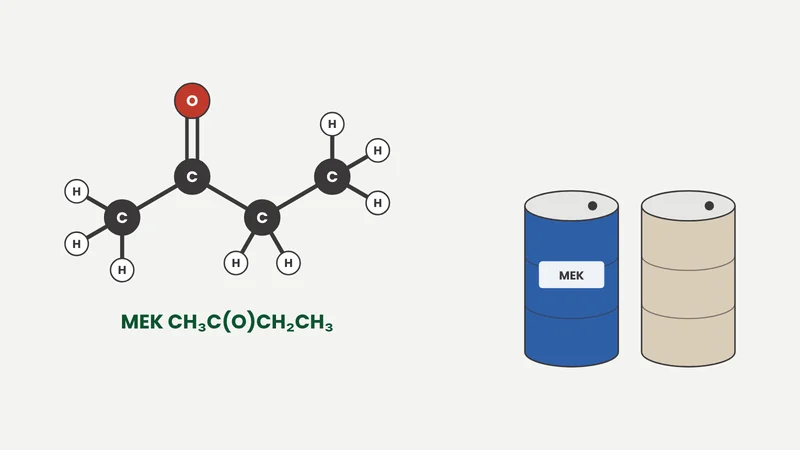
MEK (methyl ethyl ketone): properties, uses and safe handling
Why MEK is the go-to fast-drying solvent for coatings, adhesives and inks, what its key properties are, and how to store and handle it safely.