
Flotation reagents for gold and copper: xanthates, frothers, depressants and activators
How a flotation circuit uses collectors such as PAX and SIBX, frothers such as MIBC, depressants, activators and pH modifiers, and how to choose between them.
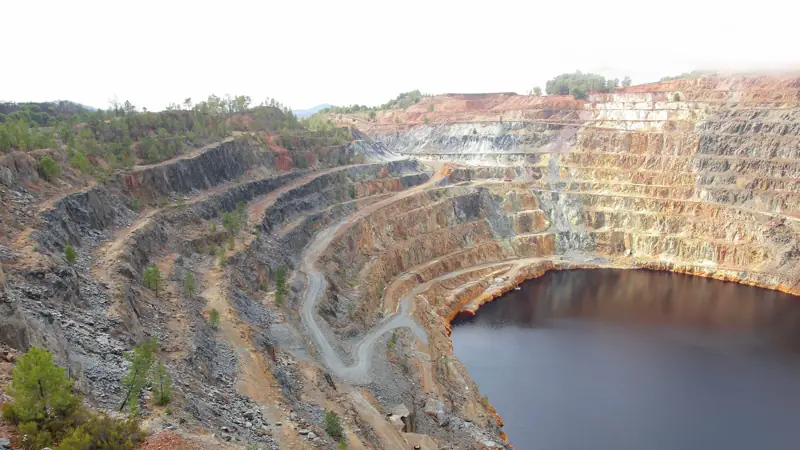
Short answer: froth flotation separates valuable sulfide minerals by making them water-repellent so they attach to air bubbles. Collectors do that, frothers make a stable froth, depressants keep unwanted minerals down, activators help hard-to-float minerals, and pH modifiers set the conditions for all of them.
Collectors
Xanthates are the most widely used collectors for sulfide ores. Longer carbon chains are stronger but less selective:
| Collector | Strength | Typical use |
|---|---|---|
| Sodium ethyl xanthate (SEX) | Weakest | Selective flotation where selectivity matters more than recovery |
| Sodium isopropyl xanthate (SIPX) | Medium | General sulfide flotation |
| Sodium isobutyl xanthate (SIBX) | Strong | Copper and gold-bearing sulfides |
| Potassium amyl xanthate (PAX) | Strongest | Bulk sulfide flotation, scavenging, oxidised surfaces |
Dithiophosphates, thionocarbamates and mercaptobenzothiazole (MBT) are used alone or with xanthates for more selective copper and gold recovery, especially against pyrite.
Xanthates decompose in water, faster in acidic or warm conditions, and should be stored dry and cool and made up into solution shortly before use. The SDS covers the handling precautions.
Frothers
Methyl isobutyl carbinol (MIBC) gives a fine, brittle froth that drains well and is the most common frother in base-metal plants. Polypropylene glycol and polyglycol ether frothers make a more persistent froth, useful for coarser particles; pine oil is a traditional frother with some collecting action. Many plants blend frothers to tune froth stability.
Depressants
- Sodium metabisulfite (SMBS) and sodium sulfite depress pyrite and sphalerite.
- Zinc sulfate depresses sphalerite in copper-lead circuits.
- Carboxymethyl cellulose (CMC) and dextrin depress talc, gangue and carbonaceous material.
- Sodium silicate disperses clays and slimes.
Activators
Copper sulfate activates sphalerite and pyrite for flotation; lead nitrate is used in some gold flotation and cyanidation circuits.
pH modifiers
Quicklime and hydrated lime raise pH and depress pyrite at the same time, which is why lime is so common in copper flotation. Soda ash and caustic soda are used where calcium is unwanted.
After flotation
Concentrates and tailings are thickened with polyacrylamide flocculants. In gold plants, the leach circuit uses sodium cyanide or alternatives such as ammonium thiosulfate and glycine, activated carbon for adsorption, and cyanide destruction before tailings disposal.
Choosing a reagent suite
Reagent choice comes from laboratory flotation tests on representative ore, then plant trials. Fix the mineralogy, grind size and water chemistry first; reagents are tuned to them.
Buying in Saudi Arabia
Nord Chemicals, part of Nordinfini, supplies, blends and repacks commodity and specialty chemicals from Dammam for 14 industries across Saudi Arabia and the GCC, with a safety data sheet for every product. See everything we supply for mining and minerals, build a list in the chemical finder, or request a quote.
Need this chemical in Saudi Arabia or the GCC?
Nord Chemicals supplies, manufactures and blends industrial chemicals from Dammam, for nine industries across Saudi Arabia and the GCC.
See Nord ChemicalsRelated articles

Water treatment chemicals: coagulants, flocculants, antiscalants and biocides explained
Which chemical does which job in a water or wastewater plant: clarification, RO membrane protection, disinfection, boilers and cooling towers, with what to check before you buy.
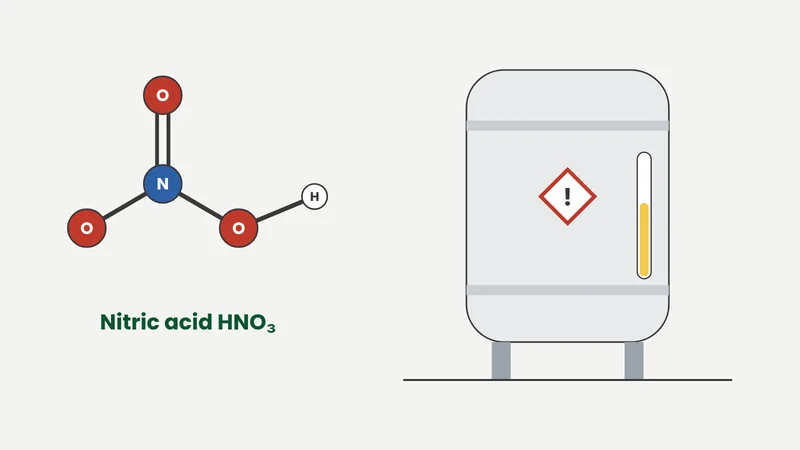
Nitric acid: concentrations, industrial uses and safe storage
From fertilisers to stainless steel passivation: what nitric acid is used for, the common commercial concentrations, and how to store and handle a strong oxidising acid.
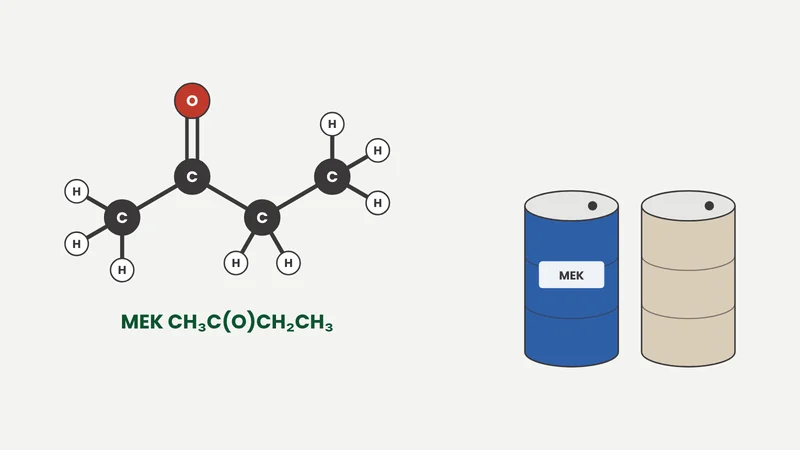
MEK (methyl ethyl ketone): properties, uses and safe handling
Why MEK is the go-to fast-drying solvent for coatings, adhesives and inks, what its key properties are, and how to store and handle it safely.